
Organic Ashitaba
An all-purpose healthy vegetable nurtured by Mother Nature
Ashitaba has very strong vitality, so much so that it is described “even if
Ashitaba leaves are picked up today, it will sprout tomorrow”, and it has been eaten as a food and used as a
medical herb since the ancient time. This belongs to the Apiaceae family and is indigenous to Japan, mainly
found in Hachijo Island. Its unique yellow sap makes it distinct from other kinds of plant.
It richly contains a wide range of nutrients and, hence, is a healthy vegetable which is good for people who suffer from lifestyle diseases or metabolic syndrome or are concerned about their health.
We are the pioneer in finding the efficacy of Ashitaba and developing the cultivation method.
It richly contains a wide range of nutrients and, hence, is a healthy vegetable which is good for people who suffer from lifestyle diseases or metabolic syndrome or are concerned about their health.
We are the pioneer in finding the efficacy of Ashitaba and developing the cultivation method.
Overview
Ashitaba Profile
- Scientific Name:
- Angelica keiskei
- Japanese Name:
- Ashitaba
- Classification:
- Apiaceae, Angelica
- Origin:
- Hachijo Island
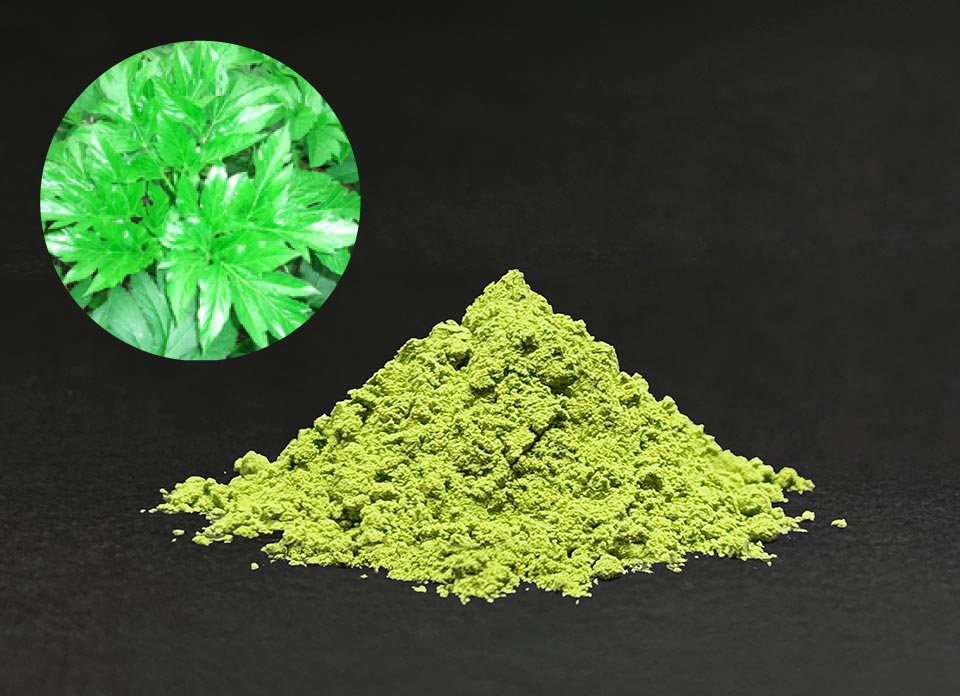
It has three big feather-like leaves. Its stalk is thick and 30-40 cm tall. It blooms
in the third year and grows up to 150cm in height.
Ashitaba thrives in climates that are relatively cool in summer, warm in winter, and have abundant annual rainfall. The shape slightly varies depending upon habitats and there are mainly two types; a blue stalk type and a red stalk type.
Ashitaba thrives in climates that are relatively cool in summer, warm in winter, and have abundant annual rainfall. The shape slightly varies depending upon habitats and there are mainly two types; a blue stalk type and a red stalk type.
Organically Grown Ashitaba
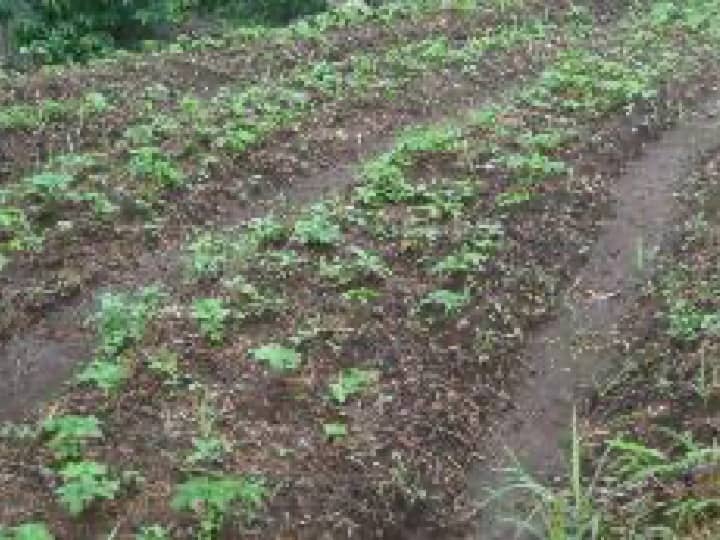
At JBSL, organic cultivation is the most important aspect of Ashitaba
farming. We strictly follow the fundamentals of agriculture, using no chemical pesticides at all. From
soil preparation and composting to seeding, transplanting, and harvesting — every step is carried out
carefully by hand.
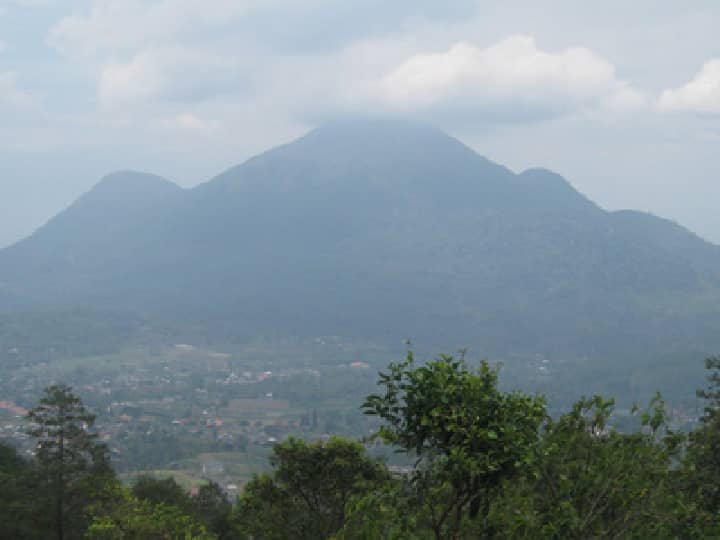
We have developed our own cultivation expertise suited to the Indonesian climate. With a dedicated farm and processing facility located in Surabaya, East Java, we are able to ensure a stable supply of high-quality Ashitaba raw material.
We have developed our own cultivation expertise suited to the Indonesian climate. With a dedicated farm and processing facility located in Surabaya, East Java, we are able to ensure a stable supply of high-quality Ashitaba raw material.
-
 Grown at an altitude of nearly 1,000 meters
 -
 Ashitaba cultivation fields
-
Growth process of Ashitaba
-
 01Seeds of Ashitaba
 -
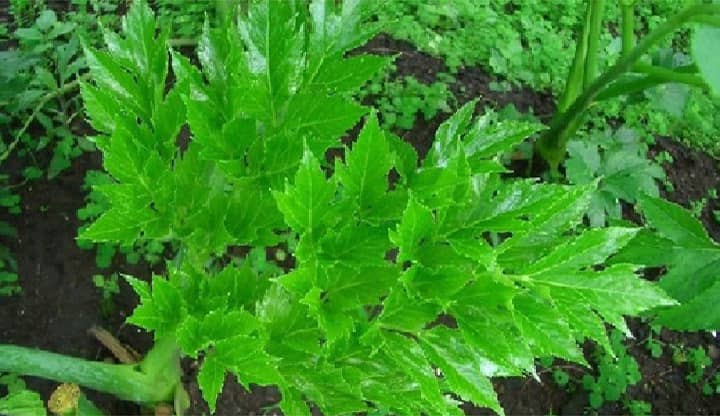 02Sprouts
 -
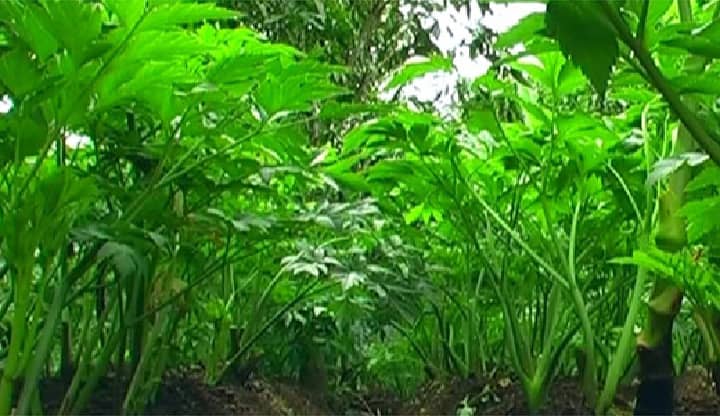 03Pre-harvest
-
-
Processing factory in Indonesia
-
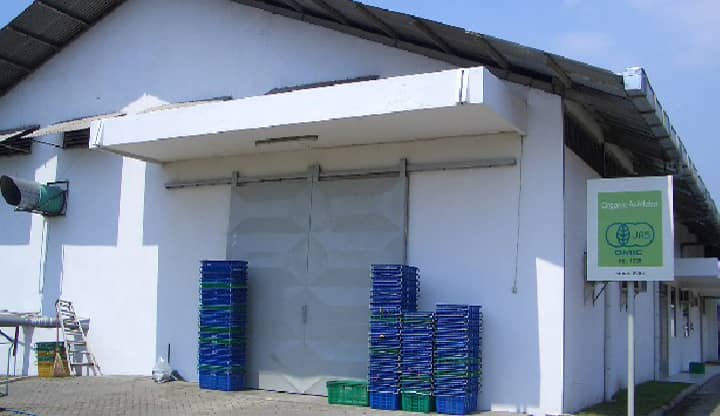 01In Surabaya
 -
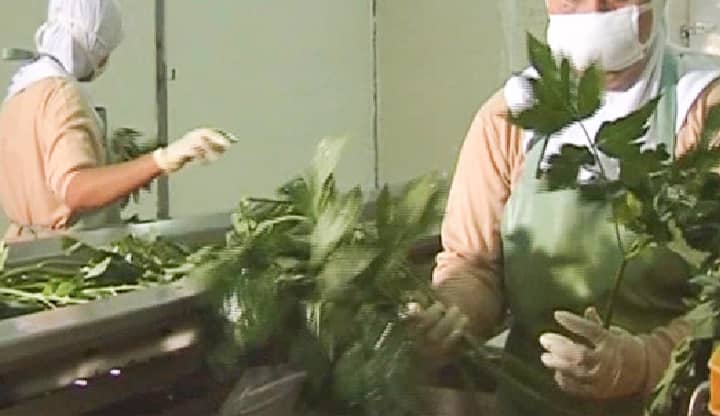 02Screening
 -
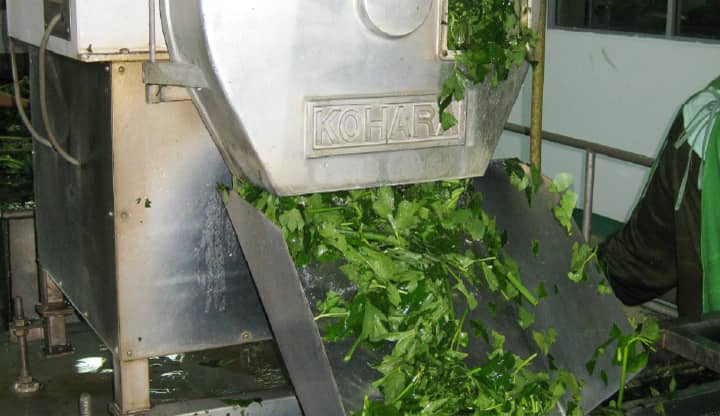 03Cutting
 -
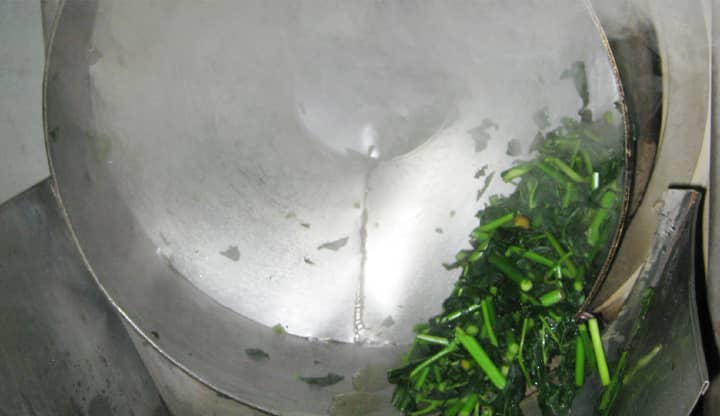 04Sterilization
 -
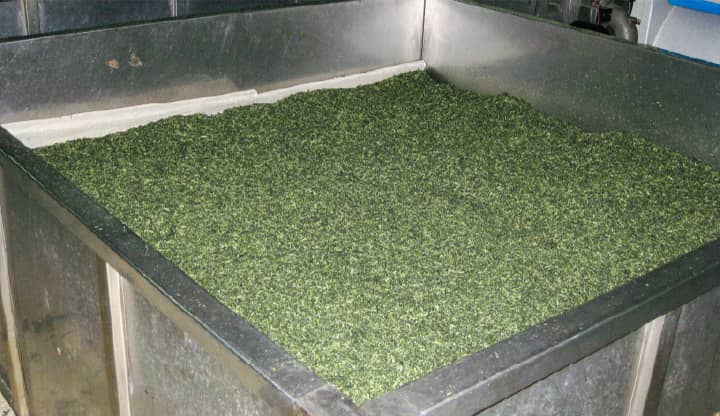 05Drying
 -
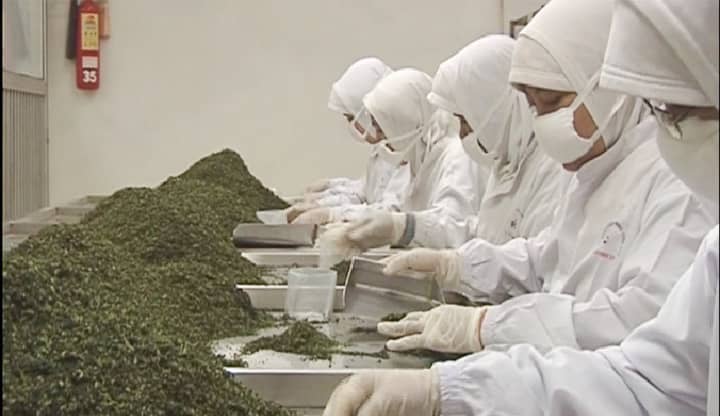 06Inspection
-
Features
-
Ashitaba's Nutrients
Ashitaba is a healthy vegetable which contains plenty of balanced nutrients such as protein and all sorts of minerals and vitamins amongst many others which are crucial to stay healthy. Fibre, β-carotene and potassium, in particular, are abundantly contained compared to other vegetables.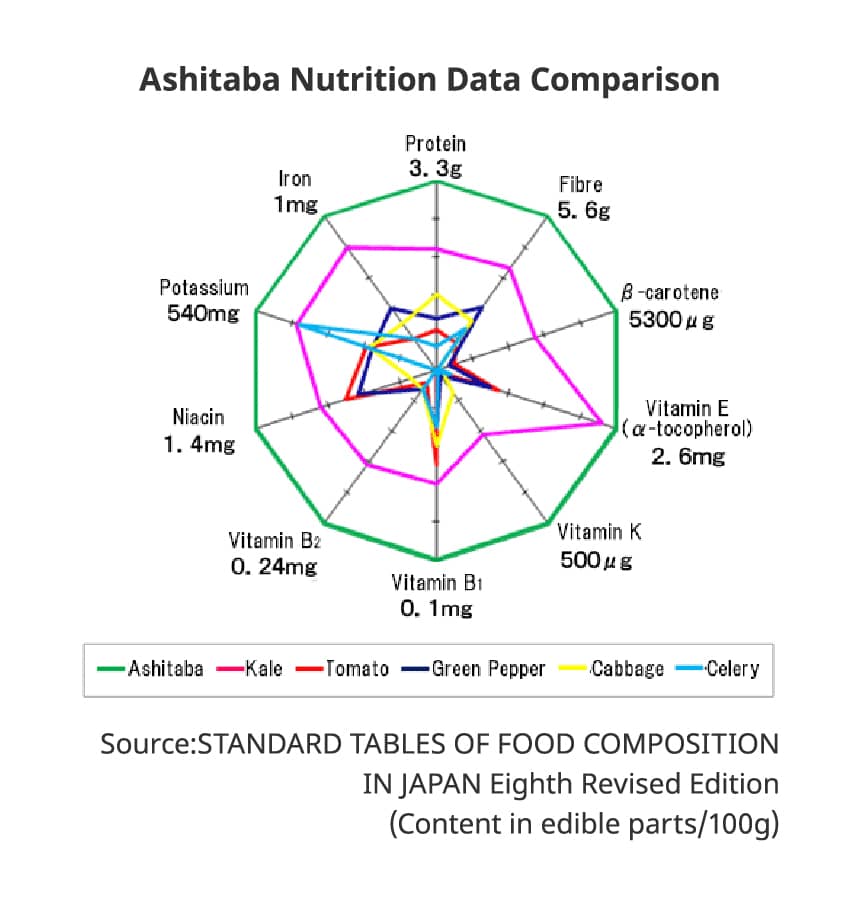
-
Nutritional Profile of Ashitaba Powder
We process Ashitaba by dehydrating it at a low temperature to prevent its nutrients during drying. As a result, necessary nutrients can be obtained from a smaller amount of Ashitaba Powder than those from fresh Ashitaba leaves. As a result, necessary nutrients can be taken with a lesser amount than Ashitaba leaves.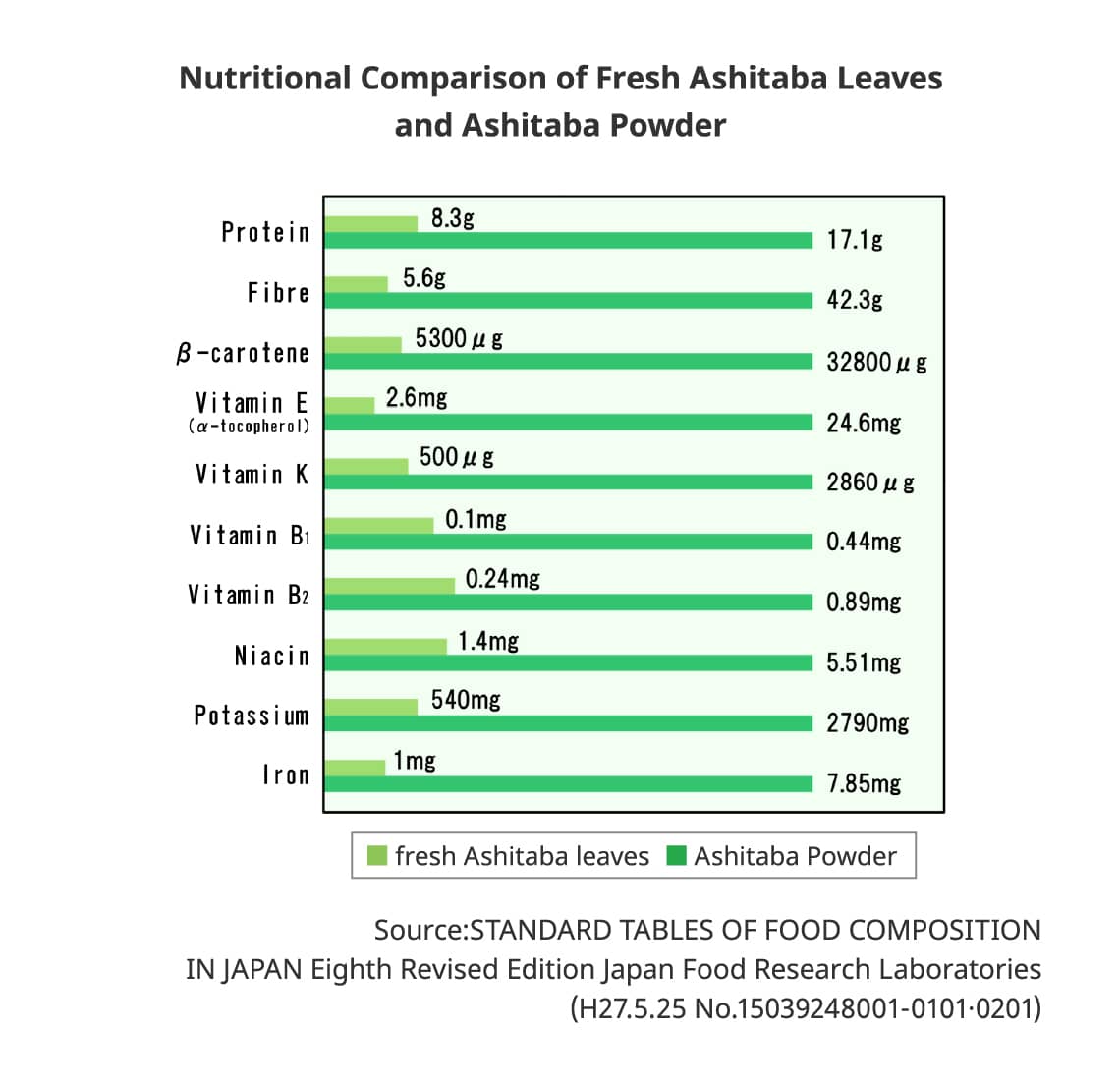
Efficacy
Dissolution of constipation, prevention of obesity and diabetes, antioxidant,
etc.
Safety
We conduct thorough quality control in both Indonesia and Japan to ensure safety and
reliability.
Since 1994, we have been committed to pesticide-free and organic cultivation, and have obtained Organic JAS certification since 2006.
Since 1994, we have been committed to pesticide-free and organic cultivation, and have obtained Organic JAS certification since 2006.

The organic JAS logo is a certification mark accredited to agricultural and
forestry products that meet the quality and labeling standards established
by the Minister of Agriculture, Forestry and Fisheries.
forestry products that meet the quality and labeling standards established
by the Minister of Agriculture, Forestry and Fisheries.
Specifications
Organic Ashitaba Powder[Organic JAS Approved
Product]
A powder form product made from Ashitaba (both its leaves and stalk) which is
cultivated and hot-air dried at an Indonesian Organic JAS approved plantation followed by sterilisation and
milling in Japan.
- Property
- Green to dark green powder with a characteristic aroma
- Specification
- particle size:120 meshes
![Organic Ashitaba Powder[Organic JAS Approved Product]](https://www.jbsl-net.com/wp2/wp-content/themes/fcvanilla/img/ashitaba/specification_img.jpg)