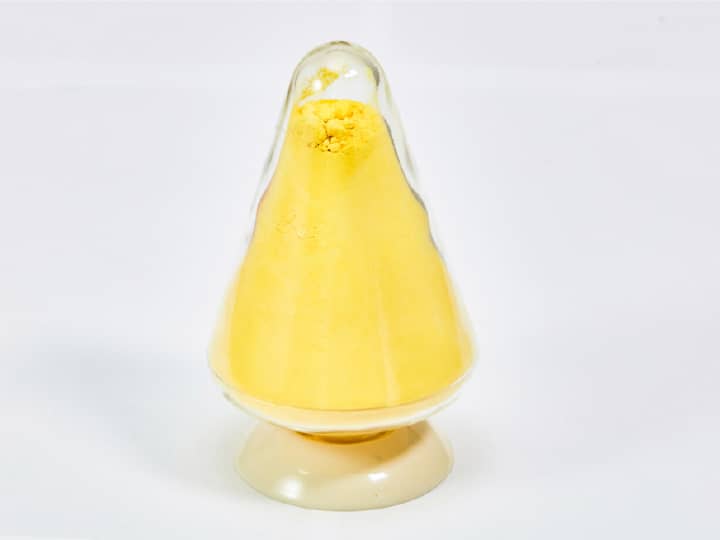
Ashitaba Polyphenol
“CHALSAP”
Valuable Yellow Polyphenol Components
Uniquely Found in
Ashitaba
When the leaves and stems of Ashitaba are cut, viscous yellow sap comes out
from the cut surface. This yellow sap is not found in any other Apiaceae plants, but found exclusively in
Ashitaba. Only a few milligrams of this sap can be collected from one Ashitaba stem, which makes it very
valuable.
Ashitaba polyphenols are plentifully contained in this yellow sap and are called chalcones. Over 10 types of chalcones are confirmed to exist in the yellow sap.
We are the first manufacturer in Japan which succeeded in powderising the Ashitaba polyphenols in 1999 and, consequently, started selling it as a new functional material. We have been studying its utility and functionality ever since.
Ashitaba polyphenols are plentifully contained in this yellow sap and are called chalcones. Over 10 types of chalcones are confirmed to exist in the yellow sap.
We are the first manufacturer in Japan which succeeded in powderising the Ashitaba polyphenols in 1999 and, consequently, started selling it as a new functional material. We have been studying its utility and functionality ever since.
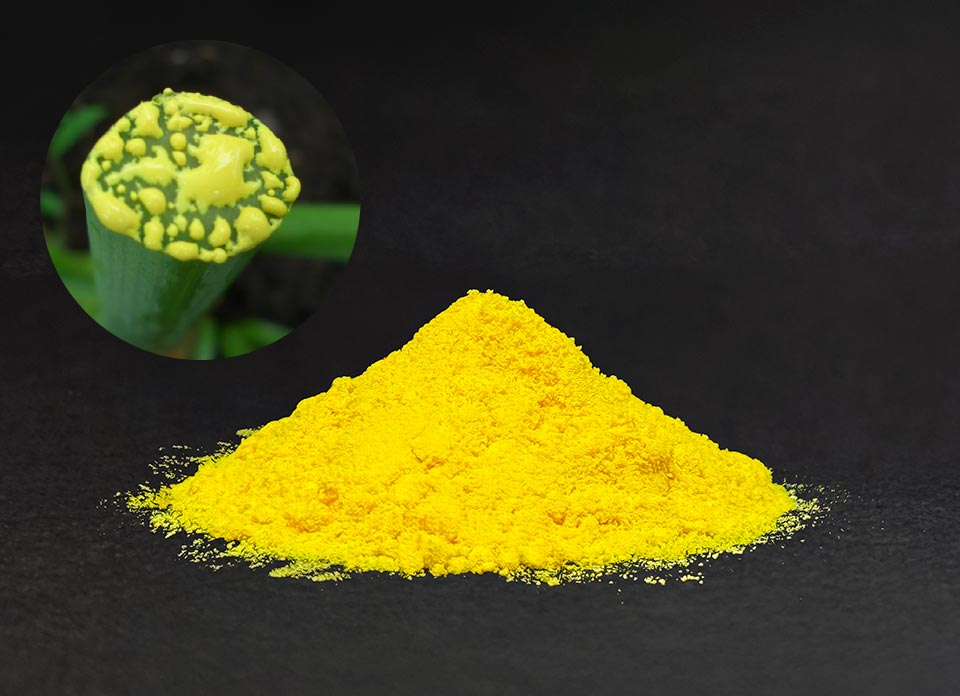
Overview
What is an Ashitaba Polyphenol “Chalcone”?
“Chalcones”, the main components of the Ashitaba polyphenols, are the polyphenols
that have yellow flavonoid pigments, which are particularly rich in two types of chalcones, 4-hydroxiderricine
and xanthoangelol, and their efficacy has been attracting much attention.

How Ashitaba Polyphenol "CHALSAP" is made
-
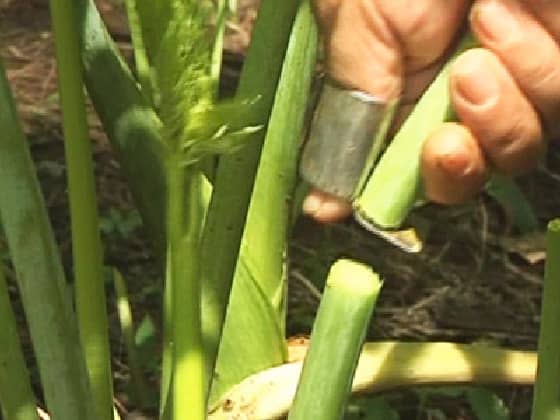
Cutting AshitabaEach carefully cultivated Ashitaba stem is assessed for its growth stage and then precisely cut using a specialized cutter.
-
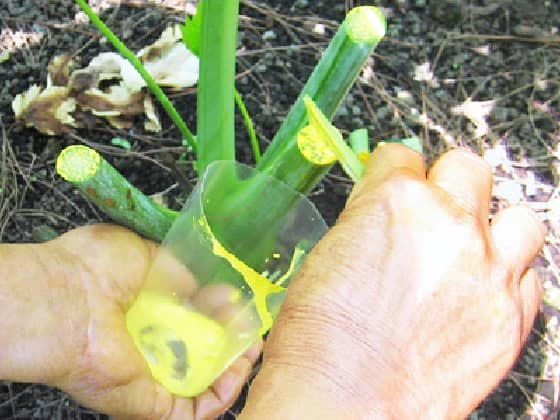
Harvesting the Yellow SapThe precious yellow sap that seeps from the cut surfaces is carefully collected.
-
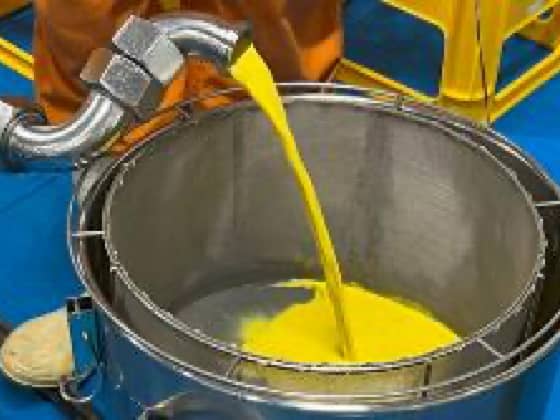
FiltrationThe harvested yellow sap is filtered to remove residues.
-
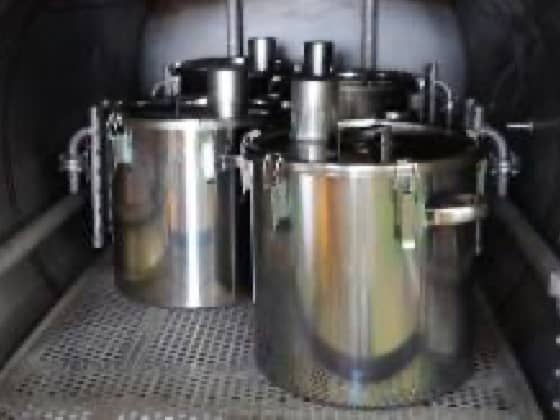
Heat SterilizationThe yellow sap is sterilized by high temperature and high pressure.
-
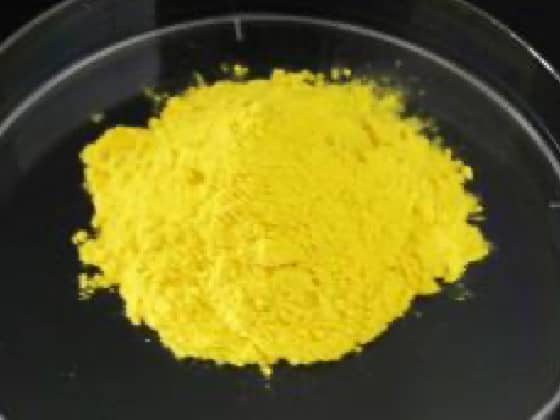
Finishing TouchAfter transportation to Japan, the yellow sap undergoes sterilization again, followed by freeze-drying and powdering.
Features
Efficacy
Anti-metabolic syndrome
An adiponectin production promoting effect
A promoting effect on leptin production in mice
A reduction effect on visceral fat weight as well as an inhibiting effect on body weight gain in mice
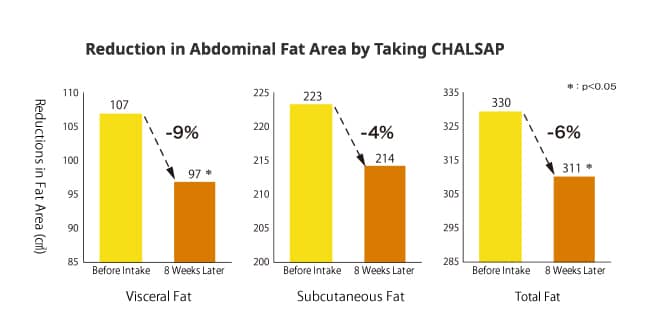
A reducing effect on the sectional area of the visceral fat from a human study
An Abdominal Fat Reducing Effect by Taking CHALSAP
Significant reductions in the abdominal total fat and the visceral fat area after 8 weeks of CHALSAP-P8 intake were observed.
An anti-bacterial effect
An anti-bacterial effect on Helicobacter pylori (in vitro)
An anti-bacterial effect on a heat-resistant acidophilic bacterium
(Alicyclobacillus sp.)
An anti-tumour effect
An inhibitory effect on a carcinogenesis initiator/carcinogenesis promotor
An apoptosis-inducing effect on cancer cells
Cancer cytotoxic activity
- A production enhancing effect on Nerve Growth Factor (NGF,BDNF,GDNF)
- An antioxidant effect
- An immunostimulatory effect from a human study
Safety
Safety Tests
- 1Acute toxicity test
- 2Chromosomal aberration test
- 3Reverse mutation test
Safety has been confirmed through these tests.
Specifications
Ashitaba Polyphenol CHALSAP-P8
A powder product produced by freeze-drying a unique extract (chalcones)
collected from the stems of Ashitaba. This product has a great concentration of chalcones and long-term
storage stability.
- Property
- yellow powder with a unique smell
- Total chalcone content
- More than 8.0%